
Jaw Fractures
Jaw fractures are serious facial injuries that require timely and specialized care. Prompt treatment helps restore jaw function, maintain facial symmetry, and prevent long-term complications such as bite problems or chronic pain.
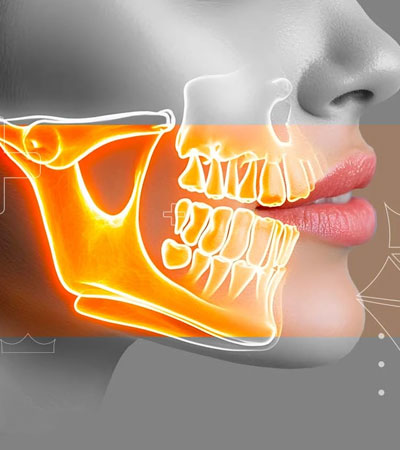
What Is a Jaw Fracture?
A jaw fracture refers to a break or crack in the upper jaw (maxilla) or lower jaw (mandible). These injuries often result from accidents, falls, sports injuries, or facial trauma and can significantly affect chewing, speech, and appearance.
Common Causes of Jaw Fractures
- Road traffic accidents
- Sports or physical injuries
- Falls or accidental trauma
- Assault or facial impact
- Severe dental infections weakening the bone
Signs and Symptoms
- Severe jaw pain or swelling
- Difficulty opening or closing the mouth
- Misaligned bite or loose teeth
- Facial asymmetry or bruising
- Bleeding or numbness in the jaw or lips
How Jaw Fractures Are Treated
Treatment depends on the type and severity of the fracture. After a detailed examination and imaging, management may include:
- Closed reduction using splints or wiring
- Surgical fixation with plates and screws
- Stabilization of bite alignment
- Medication for pain and infection control
Is Surgery Always Required?
Not all jaw fractures require surgery. Minor or stable fractures may heal with conservative treatment, while complex fractures need surgical intervention to ensure proper healing and jaw function.
Recovery and Healing
- Soft or liquid diet during healing
- Regular follow-up appointments
- Proper oral hygiene and wound care
- Avoid strenuous activities temporarily
Healing typically takes several weeks, depending on the injury.
Why Expert Management Is Important
Jaw fractures involve vital structures such as nerves, teeth, and facial bones. Management by a trained oral and maxillofacial surgeon ensures accurate alignment, safe healing, and optimal functional and aesthetic results.
Final Thoughts
Jaw fracture treatment aims to restore comfort, function, and facial harmony. With timely care and specialized treatment, patients can recover safely and return to normal activities with confidence.