
Cyst & Tumors of the Jaw
Cysts and tumors of the jaw are abnormal growths that can affect the jawbone, teeth, and surrounding tissues. Early diagnosis and timely treatment are essential to prevent complications and preserve oral function and facial structure.
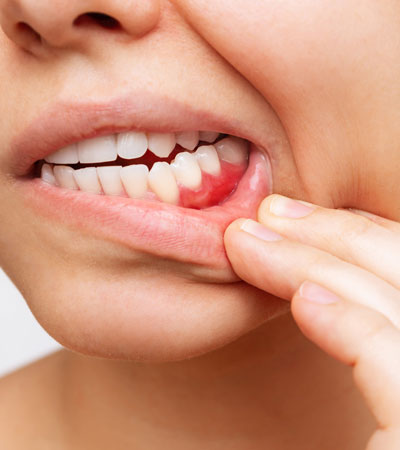
What Are Jaw Cysts and Tumors?
Jaw cysts are fluid-filled sacs, while tumors are solid growths that may be benign or malignant. Many jaw lesions develop slowly and may not cause pain initially, making regular dental evaluation important for early detection.
Common Types of Jaw Lesions
- Odontogenic cysts related to teeth
- Impacted tooth–associated cysts
- Benign jaw tumors
- Infected or inflammatory cysts
- Jaw bone growths causing facial swelling
Signs and Symptoms
- Painless swelling of the jaw or face
- Loosening or displacement of teeth
- Pain or discomfort in advanced stages
- Facial asymmetry
- Numbness or altered sensation
How Are Jaw Cysts and Tumors Treated?
Treatment depends on the size, location, and type of lesion. After thorough clinical evaluation and imaging, management may include:
- Surgical removal of the cyst or tumor
- Biopsy for definitive diagnosis
- Reconstruction or bone regeneration if needed
- Use of PRF to enhance healing
Is Surgery Always Required?
Most jaw cysts and tumors require surgical management to prevent growth, infection, or damage to surrounding structures. Early treatment often allows for simpler procedures and faster recovery.
Recovery and Follow-Up Care
- Post-surgical monitoring and medications
- Maintenance of oral hygiene
- Regular follow-up and imaging if advised
- Dietary guidance during healing
Ongoing follow-up ensures complete healing and reduces the risk of recurrence.
Why Specialized Care Is Important
Jaw cysts and tumors involve critical anatomical structures. Management by a trained oral and maxillofacial surgeon ensures accurate diagnosis, safe treatment, and preservation of facial function and aesthetics.
Final Thoughts
Early detection and expert management of jaw cysts and tumors lead to better outcomes and long-term oral health. With timely care and precise surgical techniques, these conditions can be treated safely and effectively.