
When You Need Surgical Removal
Not all dental problems can be resolved with routine treatments. In certain cases, surgical removal becomes necessary to prevent pain, infection, and long-term complications. Understanding when surgery is required can help patients seek timely care and avoid worsening oral health issues.
What Is Surgical Removal?
Surgical removal refers to a minor or advanced oral surgical procedure used to extract teeth or remove abnormal tissue that cannot be managed through simple dental techniques. These procedures are performed under local anesthesia, sedation, or general anesthesia depending on complexity and patient comfort.
When Is Surgical Removal Necessary?
You may require surgical removal in the following situations:
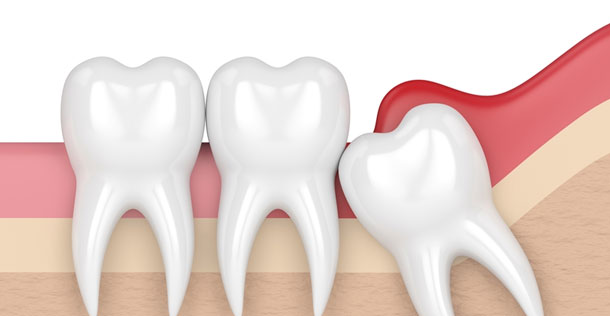
- Impacted teeth, especially wisdom teeth that are stuck beneath the gums or jawbone
- Severely damaged or broken teeth that cannot be restored
- Infected teeth or roots that have not responded to root canal treatment
- Jaw cysts or tumors affecting surrounding bone and tissues
- Failed dental implants requiring removal
- Extra teeth (supernumerary teeth) interfering with alignment
- Orthodontic reasons, where removal is needed to create space
Common Signs You Should Not Ignore
If you experience any of the following, surgical evaluation may be necessary:
- Persistent pain or swelling
- Recurrent infection or pus discharge
- Difficulty opening the mouth
- Jaw stiffness or facial swelling
- Pain while chewing or speaking
Early diagnosis helps prevent complications and simplifies treatment.
How the Procedure Is Performed
A thorough clinical examination and imaging (X-rays or CBCT scans) are done before surgery. The procedure is carried out with precision to minimize discomfort and ensure faster healing. Modern surgical techniques allow for:
- Minimal tissue trauma
- Reduced post-operative pain
- Faster recovery
- Improved safety and accuracy
Recovery and Aftercare
Post-surgical recovery usually involves mild swelling and discomfort for a few days. Patients are advised to:
- Follow prescribed medications
- Maintain oral hygiene as instructed
- Avoid hard foods temporarily
- Attend follow-up appointments
Proper aftercare plays a vital role in smooth healing.
Why Expert Care Matters
Surgical removal should always be performed by a trained oral and maxillofacial surgeon. Expertise ensures accurate diagnosis, safe execution, and prevention of nerve damage, infection, or delayed healing.
Final Thoughts
Surgical removal may sound intimidating, but when performed at the right time and by the right specialist, it is a safe and effective solution. If you are experiencing ongoing dental pain or have been advised surgery, seeking expert consultation early can protect your oral health and overall well-being.
For appointments please call – +91-8828181552.